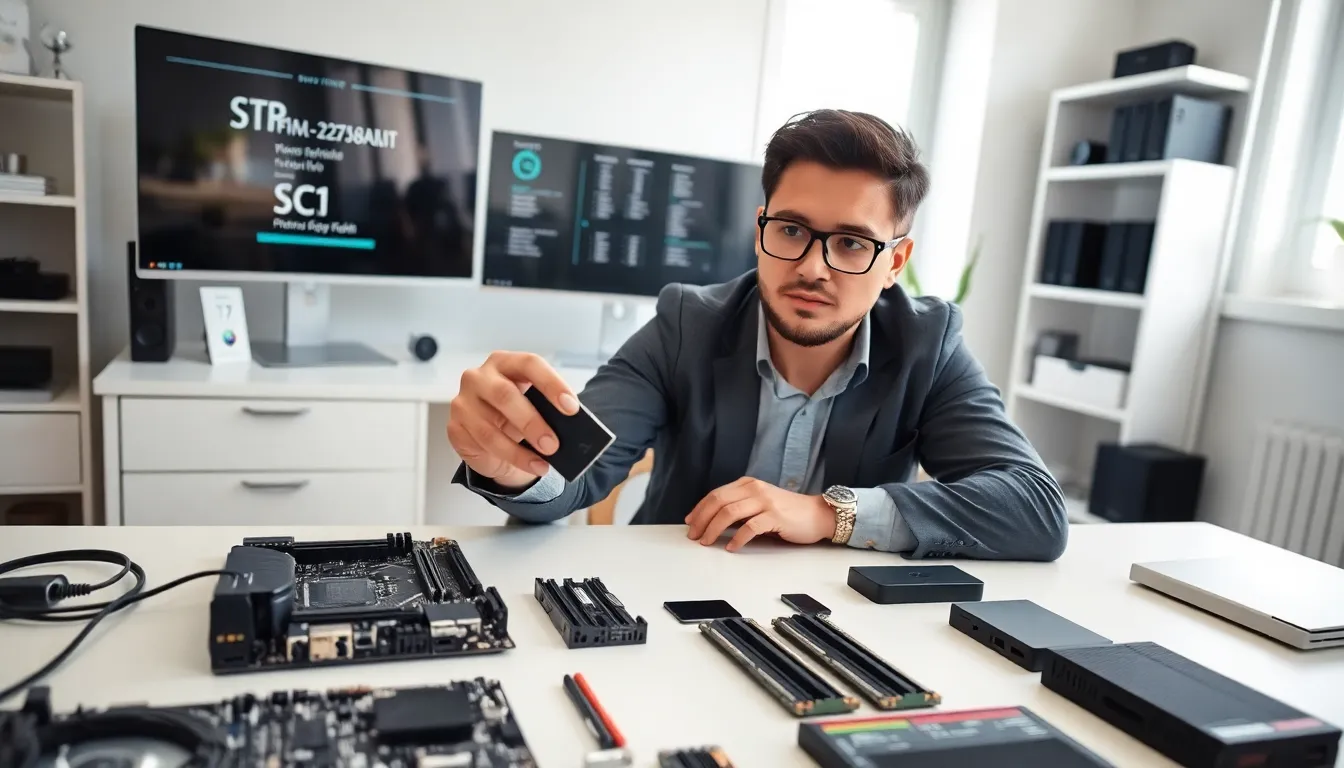
Learning how to hardware begins with understanding the physical parts inside a computer. Whether someone plans to build a PC from scratch or simply wants to upgrade an aging system, knowing the basics makes all the difference. Hardware refers to every tangible component, from the processor that runs calculations to the storage drives that hold files. This guide breaks down essential computer hardware, explains how to select the right parts, and offers practical maintenance tips. By the end, readers will have a solid foundation for making informed decisions about their tech.
Table of Contents
ToggleKey Takeaways
- Learning how to hardware starts with understanding essential components like the CPU, motherboard, RAM, and storage devices.
- Match hardware to your specific use case—gamers need powerful GPUs, while office users can rely on mid-range components.
- Always verify compatibility between your motherboard, CPU, and memory before purchasing any parts.
- Regular maintenance like dust removal and temperature monitoring extends hardware lifespan and prevents overheating damage.
- Back up your data consistently, as storage devices will eventually fail regardless of quality.
- Choose a motherboard with extra slots and connectors to allow for future upgrades and long-term savings.
What Is Computer Hardware?
Computer hardware includes all the physical components that make a system work. Unlike software, which consists of programs and operating systems, hardware refers to items people can touch and hold. A desktop computer, for example, contains a case, power supply, motherboard, processor, memory, and storage devices.
Every piece of hardware serves a specific purpose. The processor handles instructions, memory stores active data, and storage devices save files long-term. Input devices like keyboards and mice allow users to interact with the system, while output devices such as monitors display results.
Understanding how to hardware starts with recognizing these basic categories. Internal components sit inside the computer case and handle core functions. External devices connect through ports and expand what the system can do. Together, they form a complete computing environment.
Hardware quality directly affects performance. A fast processor paired with ample memory delivers smooth multitasking. Slow or outdated hardware creates bottlenecks that frustrate users. That’s why knowing the role of each component matters before making any purchase or upgrade.
Essential Hardware Components You Should Know
Several hardware components form the backbone of any computer system. Beginners should focus on understanding these parts first, as they determine overall performance and capability.
CPU and Motherboard
The CPU (Central Processing Unit) acts as the brain of a computer. It executes instructions from programs and coordinates other hardware. Modern CPUs from Intel and AMD offer multiple cores, allowing them to handle several tasks at once. Clock speed, measured in gigahertz (GHz), indicates how fast a processor runs.
The motherboard connects all hardware components together. It provides slots for the CPU, memory, and expansion cards. Every other part plugs into the motherboard either directly or through cables. When learning how to hardware, people quickly realize the motherboard determines which other components they can use. Socket types must match between the CPU and motherboard, and slot configurations limit memory and storage options.
RAM and Storage Devices
RAM (Random Access Memory) stores data the CPU needs right now. It differs from storage because RAM clears when the computer shuts down. More RAM allows users to run additional programs simultaneously without slowdowns. Most modern systems need at least 8GB of RAM, though 16GB offers better headroom for demanding tasks.
Storage devices hold files permanently. Hard disk drives (HDDs) use spinning platters to store data affordably. Solid-state drives (SSDs) have no moving parts and deliver much faster read and write speeds. Many users install an SSD for the operating system and frequently used programs while keeping an HDD for bulk storage.
Other important hardware includes the graphics card (GPU), which renders images and video, and the power supply unit (PSU), which delivers electricity to all components. Each piece works together to create a functional system.
How To Choose The Right Hardware For Your Needs
Selecting hardware depends on how someone plans to use their computer. A system built for gaming requires different specs than one designed for office work.
Start by defining the primary use case. Gamers need powerful GPUs and fast processors. Video editors benefit from extra RAM and quick storage. Office users can often get by with mid-range components. Matching hardware to actual needs prevents overspending on features that won’t get used.
Budget plays a major role in hardware decisions. High-end components cost significantly more than entry-level options. But, spending slightly more on key parts often provides better long-term value. A quality power supply, for instance, protects other components and lasts through multiple upgrades.
Compatibility matters when learning how to hardware properly. The motherboard determines which CPUs, memory types, and expansion cards will fit. Before buying any component, check specifications carefully. Online compatibility tools make this process easier for beginners.
Future upgrades deserve consideration too. Choosing a motherboard with extra memory slots or M.2 connectors allows for expansion later. Building with upgrades in mind saves money over time.
Research reviews and benchmarks before purchasing. Real-world testing data shows how components perform under various conditions. User reviews highlight reliability issues that specifications alone won’t reveal.
Basic Hardware Maintenance Tips
Proper maintenance extends hardware lifespan and keeps systems running smoothly. A few simple habits prevent most common problems.
Dust buildup causes overheating, which damages components over time. Clean the inside of a computer case every few months using compressed air. Focus on fans, heatsinks, and vents where dust accumulates most. Keeping the area around the computer clean reduces how much dust enters in the first place.
Monitor temperatures regularly. Free software like HWMonitor displays CPU and GPU temperatures in real time. If components run too hot, improve airflow by reorganizing cables or adding case fans. Thermal paste between the CPU and its cooler may need replacement after several years.
Handle hardware carefully during installation or upgrades. Static electricity can destroy sensitive components. Use an anti-static wrist strap when working inside a computer. Always power down and unplug the system before opening the case.
Keep drivers and firmware updated. Manufacturers release updates that fix bugs and improve performance. Most updates install quickly and cause minimal disruption.
Back up important data regularly. Storage devices eventually fail, regardless of quality. External drives or cloud services provide protection against hardware failure. Anyone serious about how to hardware should treat backups as essential.
Avoid running systems in extreme temperatures or humidity. Electronics perform best in moderate conditions. Proper ventilation around the computer helps maintain safe operating temperatures.