Finding the best hardware in 2025 requires more than a quick online search. Whether someone needs computer components, construction tools, or everyday fasteners, the market offers thousands of options at varying price points. This guide breaks down everything buyers need to know, from identifying specific needs to spotting quality products worth the investment. Smart hardware purchases save money, reduce frustration, and deliver better results on any project.
Table of Contents
ToggleKey Takeaways
- Finding the best hardware starts with defining your use case, budget, and durability requirements before making any purchase.
- Top computer hardware in 2025 includes AMD Ryzen 9000 and Intel 15th-gen CPUs, NVIDIA RTX 50 series GPUs, and DDR5 RAM.
- For tools and construction, Milwaukee, DeWalt, and Makita consistently produce the best hardware options for power tools.
- Quality indicators like metal construction, brand reputation, warranty coverage, and user reviews help separate the best hardware from mediocre products.
- Shop smart by comparing prices across Amazon, Newegg, specialty stores, and manufacturer websites—and watch for major sales events to maximize savings.
- Always verify compatibility with your existing equipment to avoid wasted time and money on returns.
Understanding Your Hardware Needs
Before clicking “add to cart,” buyers should pause and define their actual requirements. The best hardware for one person might be overkill, or completely wrong, for another.
Start by asking three questions:
- What’s the primary use case? A gamer building a PC has different needs than a contractor stocking a toolbox. A weekend DIYer doesn’t need industrial-grade equipment.
- What’s the budget? Hardware prices range from budget-friendly to premium. Setting a realistic spending limit prevents overspending and helps narrow choices quickly.
- How long should it last? Some projects demand durable, long-lasting hardware. Others only need something functional for occasional use.
Compatibility matters too. Computer hardware must work with existing systems. Construction hardware should match project specifications. Buying the wrong type wastes time and money.
Researching before purchasing pays off. Reading reviews, comparing specifications, and checking return policies all contribute to smarter decisions. The best hardware fits the job, the budget, and the user’s skill level.
Top Hardware Categories to Consider
The term “hardware” covers a broad range of products. Two major categories dominate most searches: computer components and tools/construction supplies.
Computer Components
PC builders and upgraders focus on several core parts:
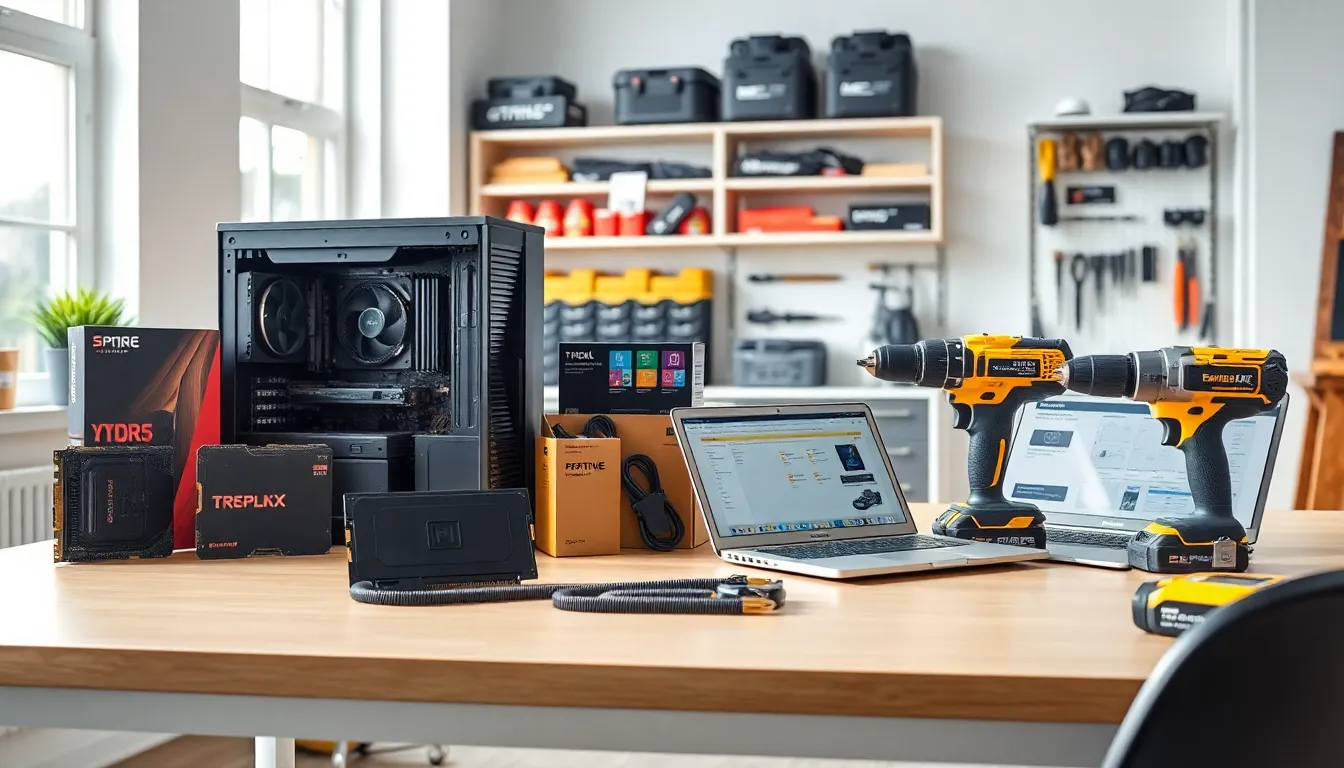
- Processors (CPUs): Intel and AMD lead the market. In 2025, the best hardware choices include AMD’s Ryzen 9000 series and Intel’s 15th-generation chips. Both deliver excellent performance for gaming, content creation, and professional work.
- Graphics Cards (GPUs): NVIDIA’s RTX 50 series and AMD’s RX 8000 lineup represent top-tier options. Budget buyers can find solid mid-range cards under $400.
- Memory (RAM): DDR5 has become standard. Most users benefit from 16GB minimum, while power users and gamers should consider 32GB or more.
- Storage: NVMe SSDs offer fast read/write speeds. A 1TB drive provides enough space for most users. Prices have dropped significantly over the past year.
- Motherboards and Power Supplies: These foundational components should match the CPU and GPU requirements. Quality matters here, cheap options can cause stability issues.
Tools and Construction Hardware
Handymen, contractors, and DIY enthusiasts need reliable tools and fasteners:
- Power Tools: Cordless drills, impact drivers, and circular saws remain essentials. Milwaukee, DeWalt, and Makita consistently produce the best hardware in this category.
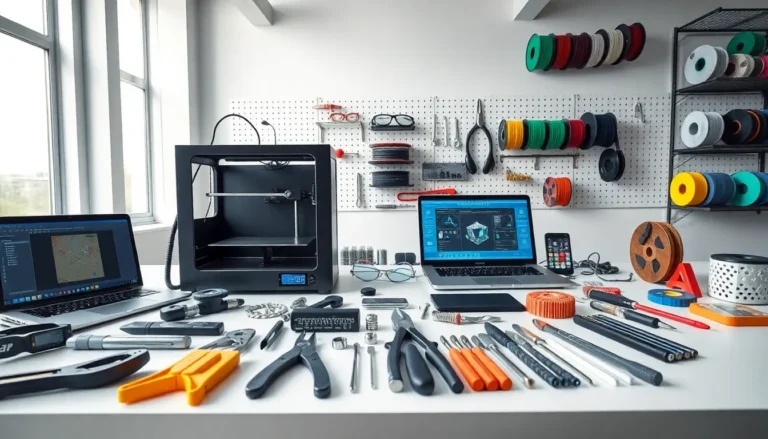
- Hand Tools: Hammers, screwdrivers, pliers, and wrenches see daily use on job sites. Stanley, Klein, and Channellock offer dependable options.
- Fasteners: Screws, nails, bolts, and anchors hold projects together. Stainless steel resists rust. Galvanized options work well for outdoor use.
- Brackets and Hinges: These small pieces make big differences in furniture, cabinetry, and home improvement projects.
Key Features to Look For When Buying Hardware
Quality separates the best hardware from mediocre products. Several features signal a worthwhile purchase.
Build Quality and Materials
Metal construction typically outlasts plastic. Stainless steel, aluminum, and hardened steel indicate durability. For computer components, check heatsink design and thermal management. Cheap materials lead to early failures.
Brand Reputation
Established brands invest in quality control and customer support. They also honor warranties. Unknown brands sometimes offer good value, but research them carefully first.
Warranty and Support
The best hardware comes with solid warranty coverage. Computer parts often include 2-5 year warranties. Power tools may offer lifetime guarantees on certain defects. Good customer support makes returns and replacements easier.
User Reviews
Real-world feedback reveals problems specifications don’t mention. Look for patterns in reviews, multiple complaints about the same issue signal genuine concerns.
Energy Efficiency
For computer hardware, power consumption affects electricity bills and heat output. Energy-efficient components run cooler and quieter.
Compatibility
Double-check that new hardware works with existing equipment. Computer parts need matching sockets, slots, and connectors. Tools may require specific battery platforms or accessories.
Where to Buy Quality Hardware
Finding the best hardware involves knowing where to shop. Different retailers serve different needs.
Online Retailers
Amazon, Newegg, and B&H Photo offer vast selections of computer hardware. They provide user reviews, competitive pricing, and convenient shipping. Home Depot and Lowe’s sell tools and construction hardware online with in-store pickup options.
Specialty Stores
Micro Center excels at computer components with knowledgeable staff. Ace Hardware and local lumber yards stock construction supplies and offer personalized service. These stores often match online prices.
Direct from Manufacturers
Buying directly sometimes provides better warranty service and exclusive deals. NVIDIA, AMD, and major tool brands sell through their websites.
Used and Refurbished
eBay, Facebook Marketplace, and r/hardwareswap offer secondhand deals. Certified refurbished products from manufacturers provide warranties at lower prices. Used hardware carries more risk but can deliver significant savings.
Price Comparison Tips
- Check multiple sites before buying
- Use browser extensions like Honey or CamelCamelCamel
- Wait for sales events (Black Friday, Prime Day, holiday promotions)
- Sign up for retailer newsletters to catch discount codes