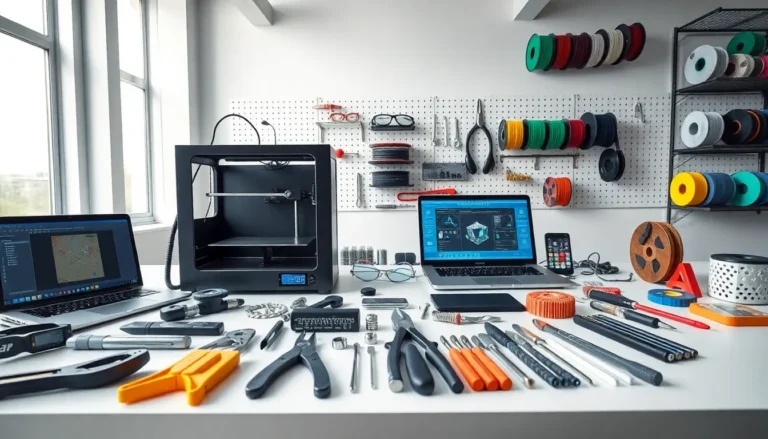
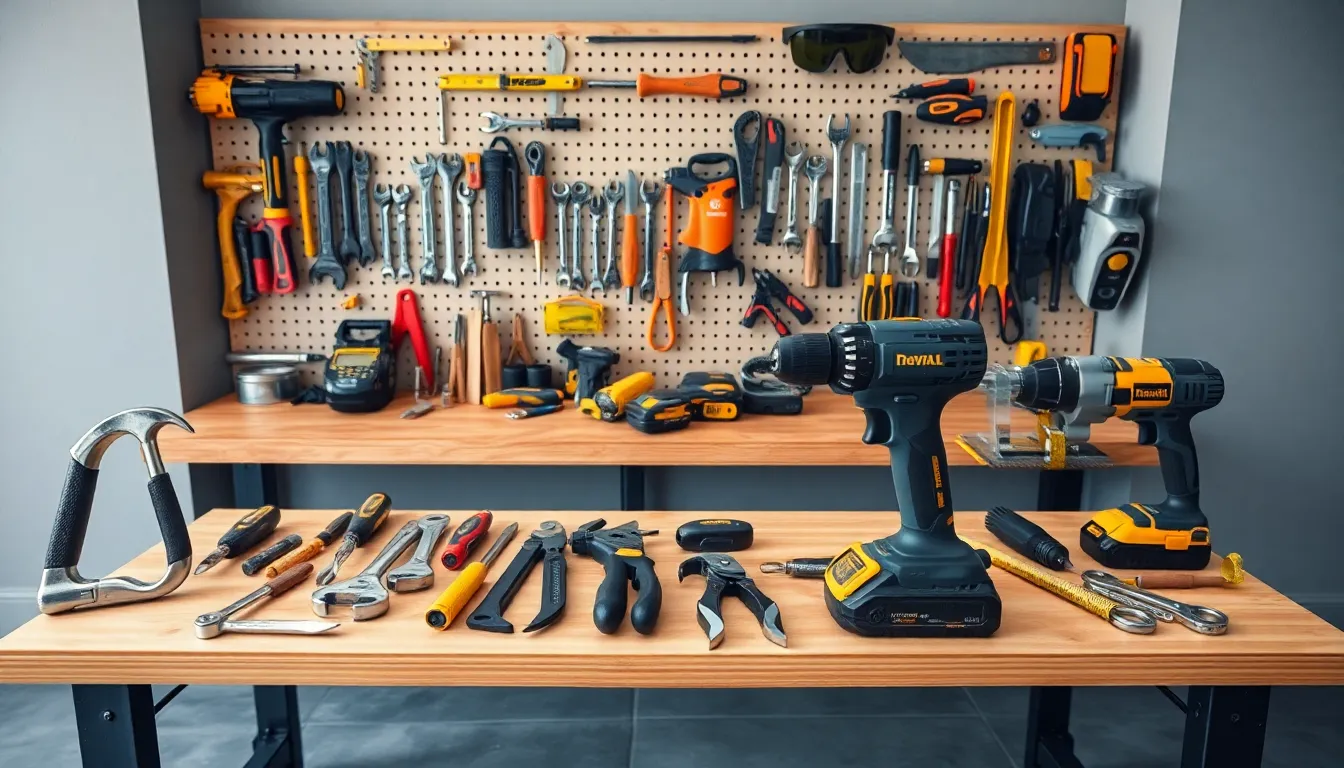
Hardware tools form the backbone of every construction, repair, and DIY project. Whether someone is building a deck, fixing a leaky faucet, or assembling furniture, the right tools make all the difference. This guide covers the essential hardware tools every homeowner, contractor, and hobbyist should know. From basic hand tools to powerful electric equipment, understanding what each tool does, and when to use it, saves time, money, and frustration. The following sections break down tool types, selection criteria, safety practices, and maintenance tips to help readers build a reliable toolkit that lasts for years.
Table of Contents
ToggleKey Takeaways
- Hardware tools divide into hand tools (hammers, screwdrivers, wrenches) and power tools (drills, saws, sanders), with most projects requiring a combination of both.
- Prioritize quality over quantity when selecting hardware tools—mid-range brands from established manufacturers typically offer the best value and durability.
- Always wear protective gear like safety glasses, gloves, and ear protection to prevent the thousands of injuries caused by hardware tools each year.
- Clean, lubricate, and properly store your tools after every use to extend their lifespan and maintain peak performance.
- Match the right tool to each specific task—improvising with the wrong tool leads to injuries, poor results, and damaged equipment.
- Start with a basic toolkit set for cost savings, then add specialty hardware tools individually as your specific project needs grow.
Types of Hardware Tools and Their Uses
Hardware tools fall into two main categories: hand tools and power tools. Each serves specific purposes, and most projects require a combination of both.
Hand Tools
Hand tools operate without electricity or batteries. They rely on manual force and offer precise control for detailed work.
Hammers drive nails, break apart materials, and shape metal. A standard claw hammer handles most household tasks, while ball-peen hammers work better for metalwork.
Screwdrivers come in flathead and Phillips varieties. Quality screwdrivers with comfortable grips reduce hand fatigue during extended use. Many professionals keep a full set of sizes within reach.
Wrenches tighten and loosen nuts and bolts. Adjustable wrenches offer flexibility, but combination wrench sets provide better torque and fit. Socket wrench sets speed up automotive and machinery work.
Pliers grip, bend, and cut materials. Needle-nose pliers reach tight spaces. Slip-joint pliers adjust to different sizes. Wire cutters handle electrical projects.
Measuring tools include tape measures, levels, and squares. Accurate measurements prevent costly mistakes. A 25-foot tape measure and a 24-inch level cover most home projects.
Saws cut wood, metal, and plastic. Handsaws work well for quick cuts. Hacksaws tackle metal pipes and bolts. Coping saws create curved cuts in trim work.
Power Tools
Power tools use electricity, batteries, or compressed air. They complete heavy tasks faster than hand tools and reduce physical strain.
Drills bore holes and drive screws. Cordless drills offer portability and convenience. A drill with variable speed settings handles different materials effectively. Impact drivers provide extra torque for stubborn fasteners.
Circular saws cut straight lines through lumber and sheet materials. They’re essential for framing, deck building, and renovation work. A 7¼-inch blade handles most cutting needs.
Jigsaws make curved and intricate cuts. They excel at cutting shapes in plywood, countertops, and decorative pieces.
Sanders smooth surfaces before painting or finishing. Orbital sanders work great for flat surfaces. Detail sanders reach corners and edges.
Angle grinders cut and polish metal, stone, and tile. They’re powerful hardware tools that require careful handling but deliver professional results.
How to Choose the Right Hardware Tools
Selecting the right hardware tools depends on project requirements, budget, and frequency of use.
Assess the project first. A simple furniture assembly needs basic screwdrivers and an Allen key set. A bathroom renovation demands drills, saws, levels, and specialty plumbing tools. List required tasks before purchasing anything.
Quality matters more than quantity. Cheap hardware tools often break, slip, or wear out quickly. Mid-range brands from established manufacturers typically offer the best value. Professional-grade tools make sense for contractors and serious DIYers.
Consider ergonomics. Comfortable grips reduce fatigue and improve control. Tools that fit the user’s hand size perform better and cause fewer injuries. Test tools in person when possible.
Check power requirements. Corded power tools deliver consistent performance for heavy-duty work. Cordless models provide freedom of movement but require battery management. Match voltage to task intensity, 12V handles light work, while 18V or 20V systems tackle demanding jobs.
Read reviews and specifications. Other users share real-world experiences that reveal durability, performance, and common issues. Specifications like RPM, torque, and amp ratings indicate capability.
Buy sets strategically. Starter sets of hardware tools offer good value for beginners. They include commonly used items at lower per-piece costs. Add specialty tools individually as specific needs arise.
Safety Tips for Using Hardware Tools
Hardware tools cause thousands of injuries each year. Proper safety practices prevent accidents and protect users.
Wear appropriate protective gear. Safety glasses shield eyes from flying debris. Work gloves protect hands from cuts and abrasions. Ear protection reduces damage from loud power tools. Steel-toed boots guard feet on construction sites.
Inspect tools before each use. Check for cracks, loose parts, damaged cords, and dull blades. Faulty hardware tools cause accidents. Replace or repair damaged equipment immediately.
Use the right tool for each job. Improvising with wrong tools leads to injury and poor results. A screwdriver isn’t a pry bar. Pliers aren’t a wrench substitute. Match tools to their intended purpose.
Maintain a clean workspace. Clutter causes tripping hazards and obscures dangers. Keep floors clear, organize materials, and ensure adequate lighting. Good workspace management improves safety and efficiency.
Secure workpieces properly. Clamps, vises, and sawhorses hold materials steady during cutting and drilling. Moving materials cause kickback, slips, and inaccurate cuts.
Disconnect power tools when not in use. Unplug corded tools before changing blades or bits. Remove batteries from cordless equipment during adjustments. This simple habit prevents accidental startups.
Learn proper techniques. Watch tutorials, read manuals, and ask experienced users for guidance. Correct form reduces strain and prevents accidents.
Maintaining Your Hardware Tools
Well-maintained hardware tools perform better, last longer, and stay safer to use.
Clean tools after every use. Wipe down metal surfaces to remove dust, debris, and moisture. Brush sawdust from power tool vents. Clean buildup from blade teeth and drill bits.
Store tools properly. Toolboxes, pegboards, and drawer organizers protect equipment from damage and moisture. Hanging tools prevents edge contact that dulls blades. Climate-controlled storage prevents rust in humid environments.
Lubricate moving parts. Apply light machine oil to plier joints, wrench mechanisms, and power tool gears. Lubrication reduces friction, prevents wear, and keeps actions smooth.
Sharpen cutting edges regularly. Dull blades require more force and produce poor results. Sharpen chisels, plane blades, and drill bits with appropriate sharpening tools. Replace saw blades when sharpening no longer restores performance.
Check electrical components. Inspect cords for fraying or damage. Test battery health periodically. Clean battery contacts to maintain good connections. Replace worn electrical parts promptly.
Tighten loose hardware. Screws on tool handles work loose over time. Check and tighten regularly. Loose components affect performance and create safety hazards.
Follow manufacturer maintenance schedules. Manuals specify service intervals for power tools. Brush replacement, bearing lubrication, and belt inspections keep equipment running smoothly.