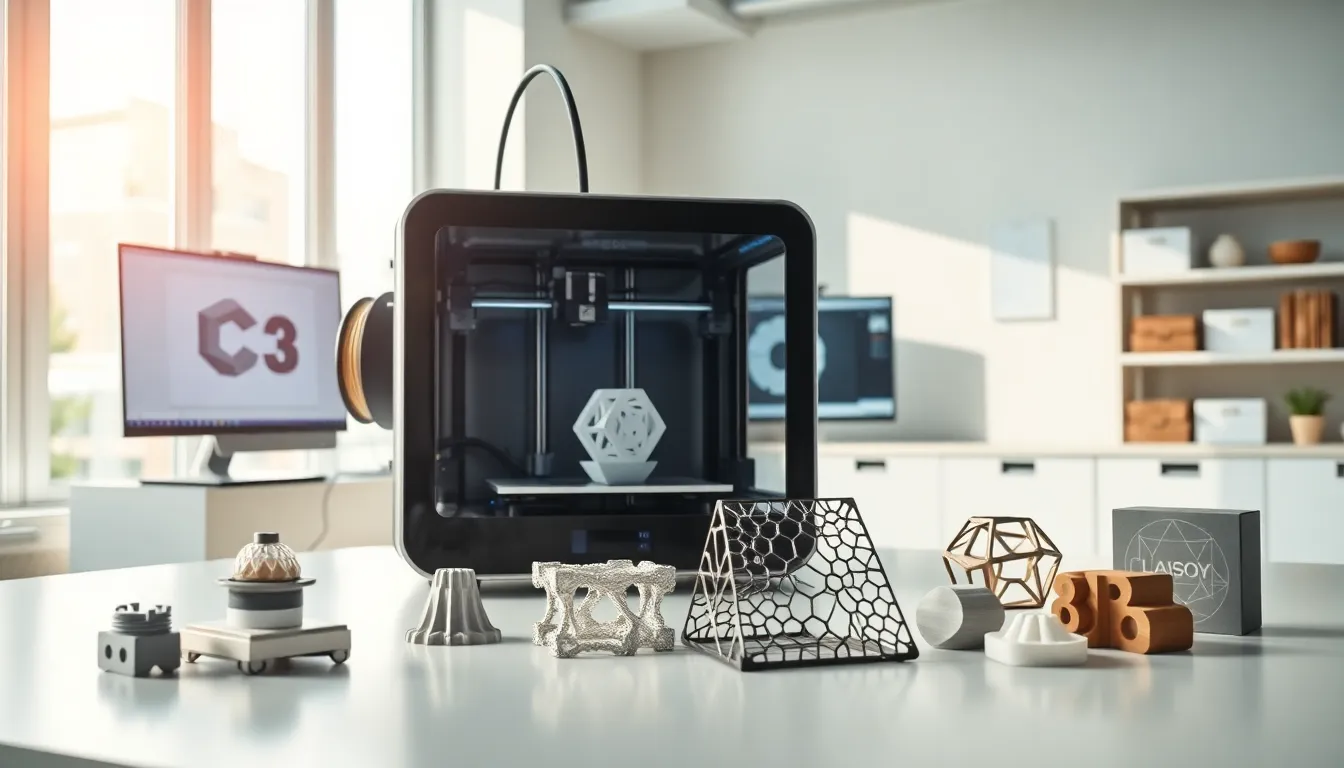
3D printing transforms digital designs into physical objects, layer by layer. This technology has moved from industrial labs to home desks, schools, and hospitals. It’s reshaping how people create everything from toys to medical implants.
But what is 3D printing exactly, and how does it work? This guide covers the core process, the main types of 3D printing technologies, the materials involved, and real-world applications. Whether someone is curious about buying their first printer or exploring industrial uses, this article provides a clear foundation.
Table of Contents
ToggleKey Takeaways
- 3D printing builds objects layer by layer from digital designs, using materials like plastic, resin, or metal.
- The main types of 3D printing include FDM for beginners, SLA for precision, SLS for strong parts, and DMLS for metal components.
- Applications of 3D printing span healthcare, aerospace, education, construction, and consumer products.
- 3D printing offers design freedom, rapid prototyping, and cost-effective customization for small batches.
- Limitations include slower production speeds, size constraints, and surface finishes that may require post-processing.
- Choosing the right 3D printing technology depends on your budget, material needs, and desired quality.
How 3D Printing Works
3D printing, also called additive manufacturing, builds objects by depositing material one layer at a time. Unlike traditional manufacturing methods that cut or carve material away, 3D printing adds material only where needed.
The process starts with a digital 3D model. Users create this model using CAD (computer-aided design) software or download existing designs from online libraries. The software then “slices” the model into hundreds or thousands of horizontal layers.
A 3D printer reads these sliced instructions and deposits material, usually plastic, resin, or metal, layer upon layer. Each layer bonds to the one below it. Over hours or days, depending on size and detail, the object takes shape.
Three key steps define the 3D printing workflow:
- Design: Create or obtain a 3D model file (typically .STL or .OBJ format)
- Slice: Use slicing software to convert the model into printable layers
- Print: Send instructions to the printer and let it build the object
This additive approach reduces waste compared to subtractive methods like CNC machining. It also allows for shapes that would be impossible to manufacture through traditional means, internal channels, lattice structures, and complex geometries become practical.
Common Types of 3D Printing Technologies
Several 3D printing technologies exist, each suited to different materials and applications.
Fused Deposition Modeling (FDM)
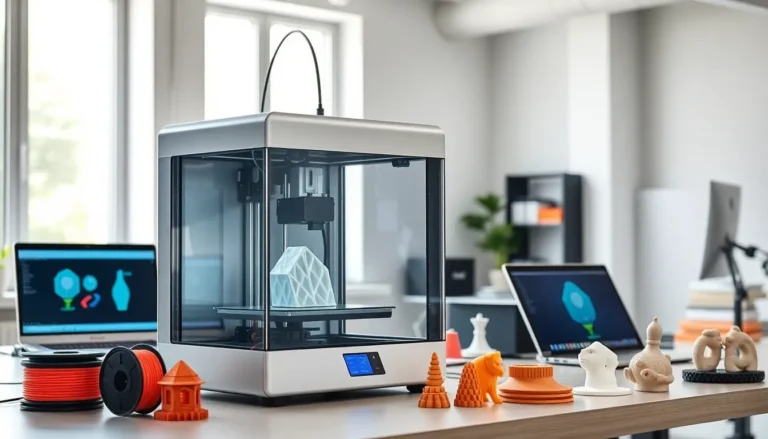
FDM is the most common type of 3D printing for consumers. The printer heats a plastic filament and extrudes it through a nozzle, building the object layer by layer. FDM printers are affordable and easy to use, making them popular for hobbyists, educators, and small businesses.
Stereolithography (SLA)
SLA uses a UV laser to cure liquid resin into solid plastic. This method produces smoother surfaces and finer details than FDM. Jewelers, dentists, and product designers often choose SLA for high-precision work.
Selective Laser Sintering (SLS)
SLS uses a laser to fuse powdered material, typically nylon or other polymers, into solid structures. The surrounding powder supports the object during printing, eliminating the need for additional support structures. SLS produces strong, functional parts.
Direct Metal Laser Sintering (DMLS)
DMLS applies similar principles to metal powders. Aerospace and medical industries use DMLS to create titanium, aluminum, and steel parts. The technology enables production of lightweight metal components with internal features impossible to machine traditionally.
Each type of 3D printing serves different needs. Budget, material requirements, and desired finish quality guide the choice.
Materials Used in 3D Printing
3D printing works with a growing range of materials. The choice depends on the technology used and the final product’s requirements.
Thermoplastics dominate consumer 3D printing. PLA (polylactic acid) is biodegradable and easy to print, making it ideal for beginners. ABS (acrylonitrile butadiene styrene) offers greater durability and heat resistance. PETG combines the ease of PLA with improved strength.
Resins provide superior detail and smooth finishes. Standard resins work for display models and prototypes. Specialty resins offer flexibility, high temperature resistance, or dental-grade biocompatibility.
Metals include titanium, stainless steel, aluminum, and cobalt chrome. Metal 3D printing serves aerospace, automotive, and medical industries where strength-to-weight ratios matter.
Composites blend plastics with carbon fiber, glass fiber, or wood particles. These materials add strength or aesthetic qualities to printed parts.
Ceramics and concrete enable architectural models, artwork, and even construction projects. Some companies now use large-scale 3D printing to build houses.
Material science continues to expand what’s possible with 3D printing. Researchers are developing printable electronics, food-safe materials, and even biocompatible tissues for medical applications.
Popular Applications of 3D Printing
3D printing has moved far beyond prototyping. Today, the technology serves diverse industries and use cases.
Manufacturing and Prototyping: Engineers use 3D printing to test designs quickly. Creating a prototype that once took weeks now takes hours. Companies also produce end-use parts, especially for low-volume or customized products.
Healthcare and Medicine: Surgeons plan complex procedures using 3D-printed models of patient anatomy. Custom prosthetics fit better and cost less than traditional alternatives. Dental labs print crowns, aligners, and surgical guides daily. Researchers are working toward printing functional organs using bioprinting techniques.
Aerospace and Automotive: Weight reduction matters in these industries. 3D printing creates lighter components with optimized internal structures. GE Aviation, for instance, prints fuel nozzles for jet engines.
Education: Schools use 3D printing to teach design thinking, engineering, and biology. Students can hold what they create, making abstract concepts tangible.
Consumer Products: Custom phone cases, jewelry, home décor, and art pieces all emerge from 3D printers. Small businesses launch products without massive manufacturing investments.
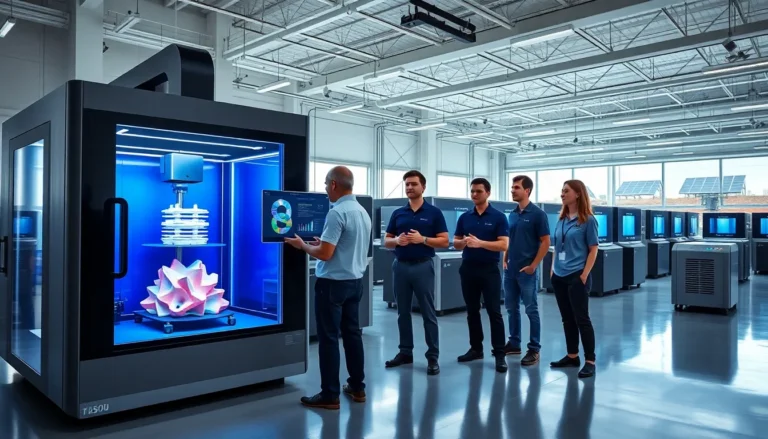
Construction: Large-scale 3D printers build walls and even entire houses from concrete. This approach promises faster construction and reduced labor costs.
The applications of 3D printing continue to grow as the technology improves and becomes more accessible.
Benefits and Limitations of 3D Printing
3D printing offers clear advantages, but it isn’t the right solution for every manufacturing need.
Benefits
Design Freedom: Complex geometries that traditional methods can’t produce become possible. Internal channels, organic shapes, and consolidated assemblies save weight and improve performance.
Rapid Iteration: Designers can test ideas quickly. Print a prototype, evaluate it, modify the design, and print again, all within days instead of weeks.
Cost-Effective Small Batches: Traditional manufacturing requires expensive tooling. 3D printing skips this step, making one-off production and small batches economical.
Customization: Each print can be unique without added cost. Medical devices, dental appliances, and consumer products benefit from this capability.
Reduced Waste: Additive manufacturing uses material only where needed, unlike machining which cuts away excess material.
Limitations
Speed: 3D printing is slow compared to injection molding or casting for high volumes. A part that takes hours to print can be molded in seconds.
Material Properties: Printed parts don’t always match the strength of traditionally manufactured components. Layer adhesion can create weak points.
Surface Finish: Most 3D printing technologies produce visible layer lines. Post-processing may be required for smooth surfaces.
Size Constraints: Print volume limits how large an object can be. Very large parts require specialized equipment or assembly from smaller sections.
Cost at Scale: Per-unit costs don’t decrease significantly with volume. Mass production typically favors traditional methods.
Understanding these trade-offs helps determine when 3D printing makes sense and when other manufacturing methods work better.